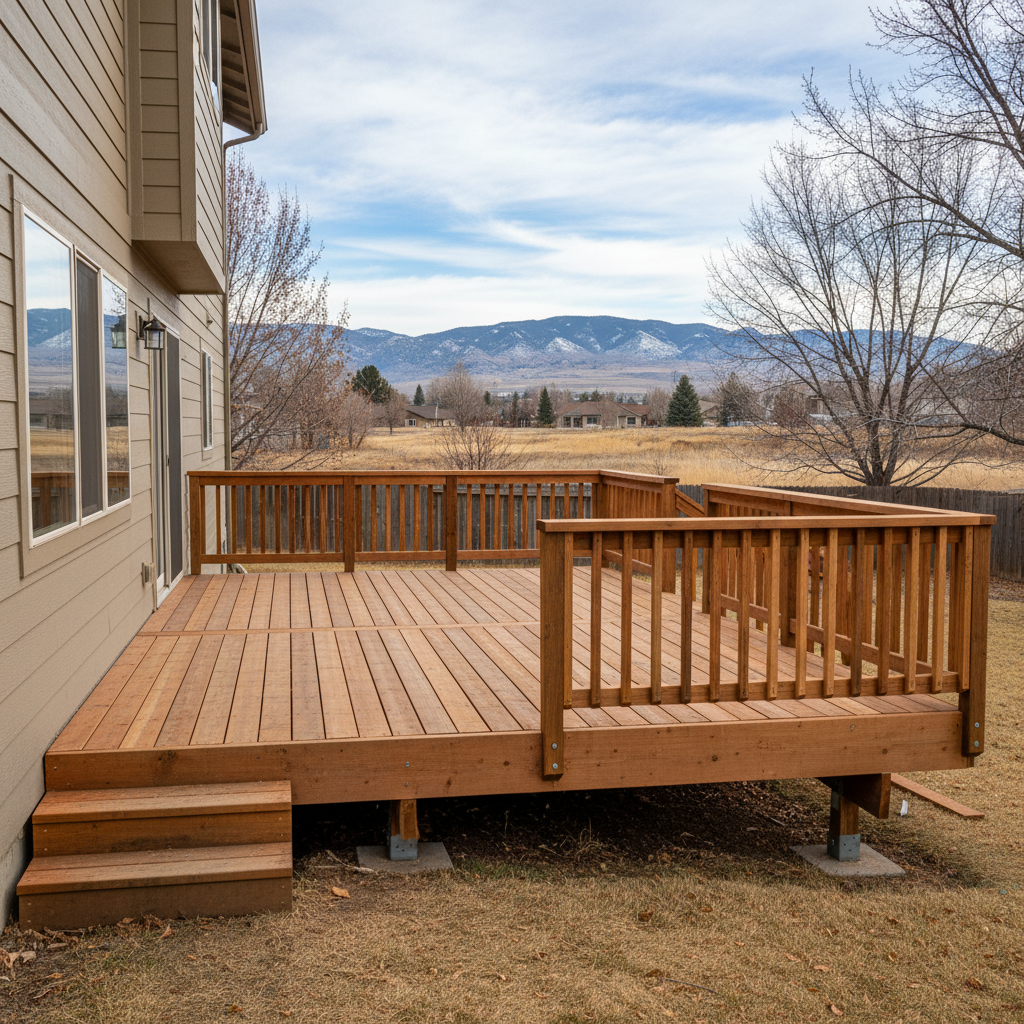
When's the best time to fix your deck? That's a question I get a lot, especially here in Boise where the weather can be a bit… dramatic, wouldn't you say? You've got to think seasonally when it comes to deck repair and maintenance. It's not just about when you have time; it's about when the conditions are actually right for the work to last.
Understanding Boise's Seasons for Deck Work
Our climate really dictates the schedule for deck repairs. We see all four seasons, and each one brings its own challenges and opportunities for your deck. You wouldn't want to stain your deck when it's pouring rain, right? The same goes for bigger repairs, too.
Spring: The Inspection & Planning Season
As soon as the snow melts and things start to dry out, that's your cue. Early spring, usually March and April, is prime time for a thorough deck inspection. Walk around, look for loose boards, popped nails, splintering, and any signs of rot, especially where the deck meets the house or around railings. Our freeze-thaw cycles can be brutal on wood, so you might find more issues than you expect after winter.
This is the time to plan your repairs. If it's a small fix you can handle, great. But if you're looking at bigger structural issues, or you just don't have the time, this is when you should call us at Alpha Decks Boise. Getting on the schedule early means you won't be scrambling when everyone else is trying to get their summer projects done.
Summer: Repair & Restoration Time (with caveats)
Once May rolls around and we get into June, July, and August, the weather is usually fantastic for deck work. Low humidity, warm temperatures – perfect for wood to dry out, stains to cure, and new lumber to acclimate. Most repairs, from replacing a few boards to a full resurfacing, get done during these months. The key here is to avoid the absolute hottest parts of the day, especially if you're staining or sealing. Extreme heat can make products dry too fast, which leads to uneven finishes or poor adhesion.
One thing to watch out for in Boise summers is the afternoon thunderstorms. They can pop up quickly, so if you're doing work that needs dry conditions, always check the forecast. You certainly don't want a fresh coat of stain getting washed away.
Fall: Last Chance for Outdoor Projects
September and early October are still great for repairs. The temperatures are milder, and the intense summer sun isn't beating down. This is often your last good window to get any major work done before the cold and wet really set in. If you missed the spring inspection, do one now. Fixing things before winter can prevent small problems from becoming big, expensive ones when moisture gets into cracks and freezes.
Winter: Protection & Prevention
Once November hits and we start getting those cold snaps and snow, it's generally too late for most repairs. You can't effectively stain or seal in freezing temperatures, and working with wet, icy lumber isn't safe or productive. Winter is about protecting what you have. Keep snow shoveled off your deck, especially if it's heavy wet snow. Don't use rock salt on your deck, as it can corrode fasteners and wood. Use a plastic shovel to avoid gouging the surface.
Weather Conditions That Affect the Work
- Temperature: Most stains, sealers, and adhesives have a recommended temperature range, usually above 50°F (10°C). Don't try to cheat this; the products won't work as they should, and you'll end up redoing it.
- Moisture: Wood needs to be dry for most repairs and certainly for any finishing. If you're replacing boards, make sure the new lumber has a chance to acclimate to our local humidity levels for a few days before installation.
- Wind: High winds can be a pain, blowing dust and debris onto wet finishes, or making it tough to work safely, especially if you're up on a ladder.
- Sunlight: Direct, intense sun can dry products too quickly, leading to lap marks or poor penetration. Try to work in shaded areas or during cooler parts of the day if possible.
Protecting Your Deck Investment Year-Round
It's not just about fixing things; it's about keeping them from breaking down in the first place. Here's my advice:
- Clean Regularly: A good scrub with a deck cleaner once or twice a year removes dirt, mildew, and algae that hold moisture and speed up rot.
- Seal or Stain: Reapply a quality sealer or stain every 2-3 years, depending on the product and how much sun your deck gets. This is your deck's first line of defense against our harsh sun and wet winters.
- Trim Vegetation: Keep bushes and trees trimmed back from your deck. They trap moisture and can lead to mildew and rot.
- Check Drainage: Make sure water isn't pooling on or under your deck. Good drainage is crucial.
- Address Small Issues Immediately: A loose board today is a tripping hazard tomorrow and a potential rot spot next year. Don't procrastinate on minor fixes.
Taking a proactive approach to deck maintenance, especially with our unique Boise weather patterns, will significantly extend the life of your deck. If you're ever unsure, or you've got a repair that's beyond your comfort level, give us a call. We're here to help you keep your outdoor living space safe and beautiful for years to come.