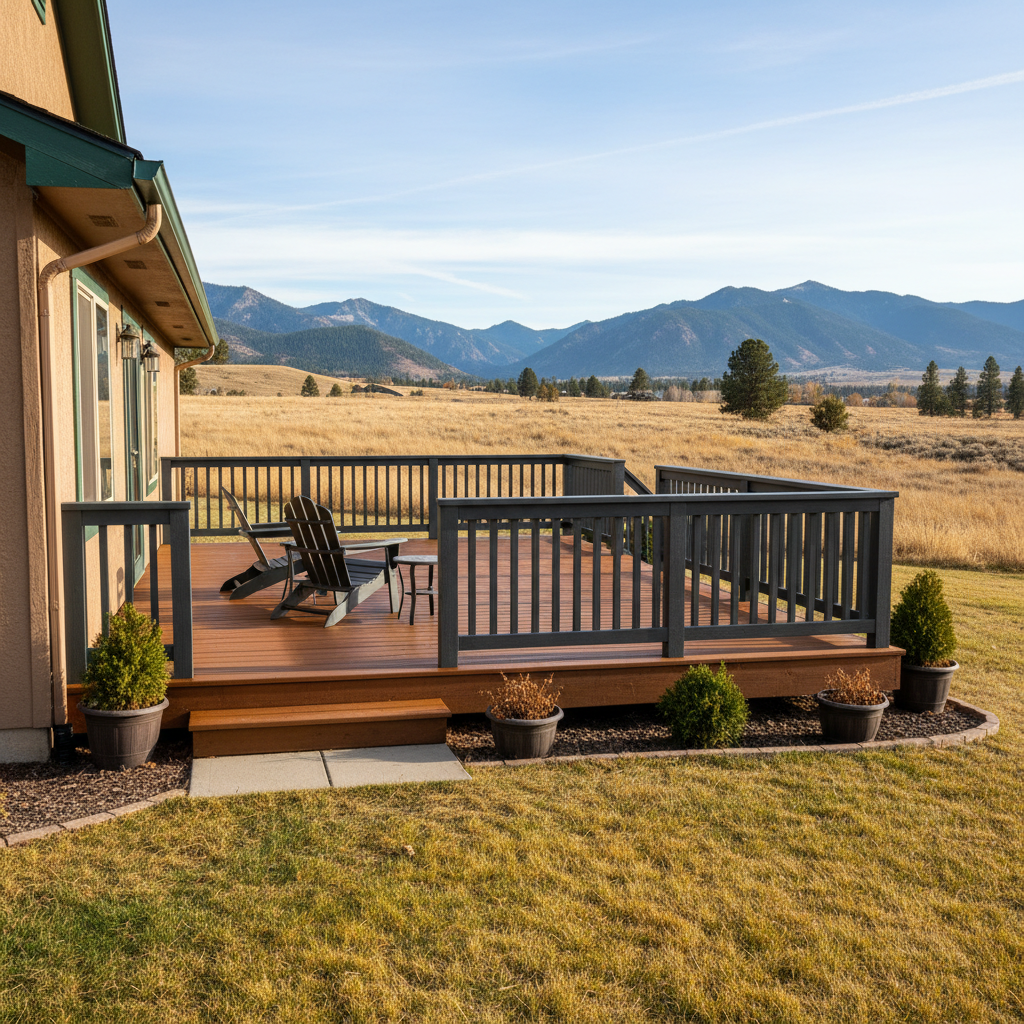
When's the best time to stain or paint your deck here in Boise? That's a question I get asked a lot, and honestly, there's a good way and a not-so-good way to think about it. You can't just pick a sunny Saturday in July and expect everything to turn out perfectly. Our local climate, with its really hot, dry summers and cold, wet winters, needs a bit more planning.
Picking the Right Season for Your Deck Project
Forget what you might read on a paint can label — those are usually written for a national audience. Here in the Treasure Valley, our best window for exterior staining and painting is pretty specific. You're looking at late spring, early summer, or early fall.
- Late Spring (May to early June): This is often just right. The days are warm enough, but not scorching hot. We usually get a nice dry spell after the spring rains have passed, giving your deck plenty of time to dry out completely before you even think about putting product on it. Nighttime temperatures are consistently above the minimum most stains and paints need, which is usually around 50°F.
- Early Summer (Mid-June to Mid-July): Still a good choice, but you really need to watch the heat. If it's consistently hitting 95°F or hotter, that's not ideal. The stain or paint can dry too fast on the surface, stopping it from soaking in properly or curing evenly. You'll end up with what we call 'flash drying,' and it usually means a weaker, less durable finish.
- Early Fall (September to early October): This can be another sweet spot, especially after the intense summer heat finally breaks. The days are still warm and sunny, but the air feels cooler, and humidity often drops. Just keep an eye on those overnight lows, though. You definitely don't want frost or dew settling on a freshly stained deck.
What you absolutely want to avoid is the peak of summer (late July, August) when it's just too darn hot, or late fall/winter when it's too cold and wet. Trying to rush a job in November is a recipe for peeling, cracking, and a whole lot of wasted effort and money, believe me.
Weather Conditions: More Than Just Sunshine
It's not just about the month; it's about the daily conditions. Here's what I'm always looking at:
- Temperature: Most products specify a temperature range, usually between 50°F and 90°F. Stick to it. If it's too cold, the product won't cure. Too hot, and it dries too fast, like I mentioned.
- Humidity: Low to moderate humidity is your friend. High humidity means the deck surface stays damp longer, and the stain takes ages to dry. We're usually pretty lucky in Boise with our low humidity, especially in summer, but it's still something to keep in mind.
- Moisture Content: This is absolutely critical. Your deck needs to be BONE DRY. After a rain, or even just a heavy dew, you need to give it at least 2-3 days of consistent dry weather before you even think about cleaning, let alone staining. If you stain over damp wood, you're trapping moisture, which leads to mildew, poor adhesion, and the finish failing way too soon. I've seen folks rush this, especially on decks in shaded areas of the North End, and it always comes back to bite them.
- Wind: A gentle breeze is fine; it actually helps with drying. But strong winds? They can blow dust, pollen, and leaves onto your wet finish. They can also make things dry too fast, especially on hot days.
Always check the 7-day forecast. You need a good, clear, stable weather window for preparing, applying, and the initial curing. Don't start a project if rain is in the forecast for the next 48 hours.
Protecting Your Deck Investment Year-Round
Staining or painting is a big part of protecting your deck, but it's not the only thing. Think of it as an ongoing relationship with your deck, really.
- Regular Cleaning: Don't wait until it's green with algae. A good annual cleaning with a deck cleaner (not just a pressure washer, which can damage wood fibers if used incorrectly) will remove dirt, mildew, and grime. This keeps your deck looking good and stops organic growth from breaking down the finish.
- Inspect Annually: Walk your deck every spring and fall. Look for any areas where the finish is starting to wear, peel, or fade. Pay special attention to high-traffic areas, railings, and the tops of joists where water might sit. Catching small issues early means simple touch-ups instead of a full re-do.
- Trim Overhanging Branches: If you've got trees shading your deck, keep those branches trimmed back. Less shade means the deck dries faster after rain or dew, which discourages mildew growth. Less leaf litter means less organic material sitting on your deck, holding moisture.
- Clear Debris: Don't let leaves, pine needles, or snow sit on your deck for extended periods. They trap moisture against the wood, which is the enemy of any finish. A quick sweep or shovel can save you a lot of headaches.
- Use Quality Products: This might sound obvious, but it's worth repeating. Don't cheap out on your stain or paint. High-quality products offer better UV protection, mildew resistance, and overall durability. They're made to penetrate better and last longer, which means less frequent re-applications. I've seen the difference it makes firsthand, and it's always worth the extra upfront cost.
Your deck is an extension of your home, a place for family, friends, and enjoying those beautiful Boise sunsets. Taking the time to properly maintain it, especially with our unique climate in mind, will ensure it looks great and lasts for years. If you're ever unsure about your deck's condition or what it needs, give us a shout at Alpha Decks Boise. We're always happy to share our expertise.