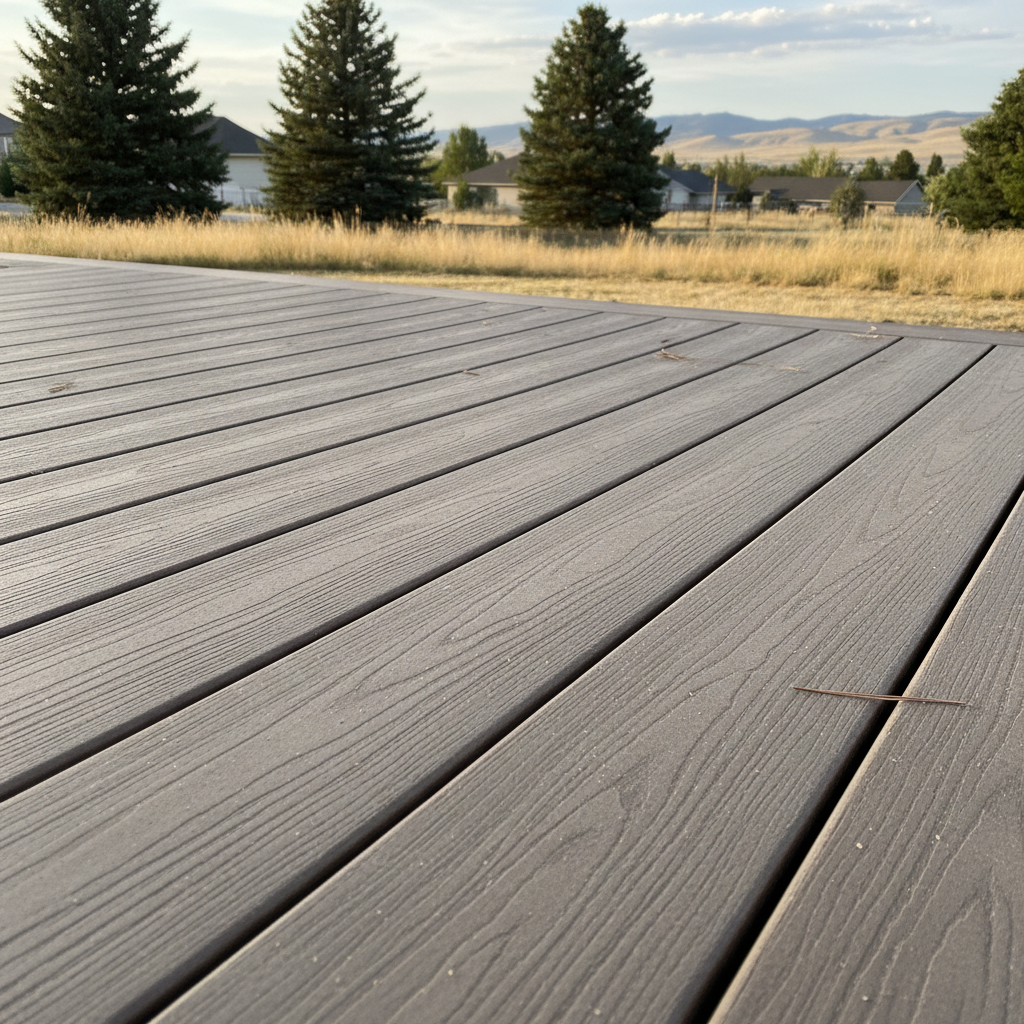
So, you're thinking about composite decking for your backyard. Good call. Here in Boise, with our wild temperature swings and the occasional snow dump, composite often holds up way better than wood. But before you jump in, you're probably wondering: can I tackle this myself, or should I hire a pro? Let's break down what you really need to know before, during, and after your composite deck project.
Before You Start: Planning & Permits
This is where a lot of folks either nail it or get themselves into a real bind. Planning isn't just about picking out a color; it's about making sure your deck is safe, legal, and actually works for your yard, you know?
- Design: You can totally sketch out a design yourself. Think about how you'll use the space, where the sun hits, and how it connects to your house. Do you want a simple rectangle, or maybe something with curves or multiple levels? There are tons of online tools out there, and some composite manufacturers even have design software you can play around with.
- Materials: Researching composite brands is a perfect DIY job. Check out Trex, TimberTech, Fiberon – they all have different features, price points, and looks. Definitely get samples. See how they appear in different light. And don't forget our local climate; some composites handle direct sun better without fading, which is a pretty big deal with our hot Boise summers.
- Permits: This part is non-negotiable, and it's where many DIYers get tripped up. Any deck over 30 inches off the ground, or one that's attached to your house, almost certainly needs a permit from the City of Boise Planning & Development Services. You'll need detailed plans, covering footings, framing, and railing specs. You can do this yourself, but it's a lot of paperwork and requires a good understanding of building codes. If architectural drawings and code requirements aren't really your thing, a pro will handle this for you. They know the drill, what inspectors look for, and how to get it approved efficiently.
- Budget: You'll want to figure out your budget upfront. Composite isn't cheap initially, but it really pays off in low maintenance down the road. Get quotes for materials, and if you're hiring, get quotes for labor. Don't forget about railings, stairs, and any lighting you might want to add.
During the Build: DIY vs. Professional Installation
Alright, plans are approved, materials are ordered. Now for the actual construction. This is where the line between DIY and professional help gets a lot clearer.
- Demolition (if applicable): If you're tearing down an old deck, you can absolutely do this yourself. Just make sure you've got the right tools, a plan for disposal (a roll-off dumpster is usually best), and a buddy to help. It's dirty, hard work, but doesn't really require specialized skills.
- Footings: This is absolutely critical. Deck footings need to be dug to the right depth (below the frost line, which in Boise is typically 24-30 inches, but always double-check current code), properly sized, and poured correctly. If your footings aren't right, your deck will settle, shift, and become unstable. This is an area where I'd strongly recommend a pro if you're not experienced with concrete work and structural requirements. It's the foundation of your entire deck, after all.
- Framing: This is another structural element that needs to be spot-on. Joists, beams, and ledger boards must be correctly sized, spaced, and attached according to code. Composite decking is heavier than wood, so your framing needs to be super sturdy. If you're not comfortable reading blueprints, cutting precise angles, and ensuring everything is perfectly level and square, this is a job for someone who does it every single day. A slight error here can lead to a bouncy, unsafe, or quickly deteriorating deck.
- Decking Installation: Laying the composite boards themselves? This is probably the most DIY-friendly part of the actual build. Composite boards are consistent, so you don't have to sort through warped lumber. You'll need a good miter saw, a drill, and the right fasteners (hidden fasteners are popular for a clean look). Follow the manufacturer's instructions carefully for gapping and fastening. It's still a lot of work, but it's more about precision and patience than complex structural knowledge.
- Railing and Stairs: Installing railings and stairs can be pretty tricky. Railings need to be sturdy and meet specific height and spacing codes for safety. Stairs need to be consistent in rise and run, and securely attached. If you're doing a simple, pre-fabricated railing system, you might manage it. But custom railings or complex stair designs? That's usually best left to the pros.
For most homeowners, tackling demolition and maybe the decking boards themselves is realistic. But for footings, framing, and complex railings, you're usually better off bringing in a professional like Alpha Decks Boise. We've built enough decks around the North End and Eagle to know what works and what absolutely doesn't.
After the Project: Enjoyment & Maintenance
This is the easy part, and it's where composite really shines. You've done the hard work (or paid someone to do it), now you get to enjoy it.
- Cleaning: Composite decks are low maintenance, not no maintenance. You'll still need to clean them. A good sweep to get rid of leaves and debris, and then a wash with soap and water (or a composite deck cleaner) and a soft brush will keep it looking great. You can use a pressure washer, but be careful with the pressure setting and nozzle type – too much pressure can damage the surface. Always check the manufacturer's recommendations.
- Inspections: Every year or so, give your deck a quick once-over. Check for any loose railings, wobbly stairs, or signs of wear. Look at the fasteners. If you see anything concerning, address it right away.
- Enjoyment: This is the main reason you built it, right? Set up your furniture, fire up the grill, and enjoy your new outdoor living space. That's the best part of having a composite deck – more time enjoying it, less time maintaining it.
Ultimately, the decision to DIY or hire a pro depends on your skills, tools, time, and comfort level with structural work. Just make sure whatever you do, you do it right. A safe, beautiful deck adds real value to your Boise home.